


Summary
At its core, this shift reflects three interconnected changes: eating is becoming more flexible, food discovery is moving to digital platforms, and brand choice is increasingly influenced by format, visibility, and convenience. Together, these forces are redefining how FMCG brands earn relevance in everyday consumption.
Introduction
Food in India has traditionally followed structure. Historically, meals in India were structured and had predictable touchpoints for brands. Today, eating has become amenable dictated by trends not just by cultural or social norms. These changes are reshaping how Indians engage with food services and fast‑moving consumer goods (FMCG).
The taste economy
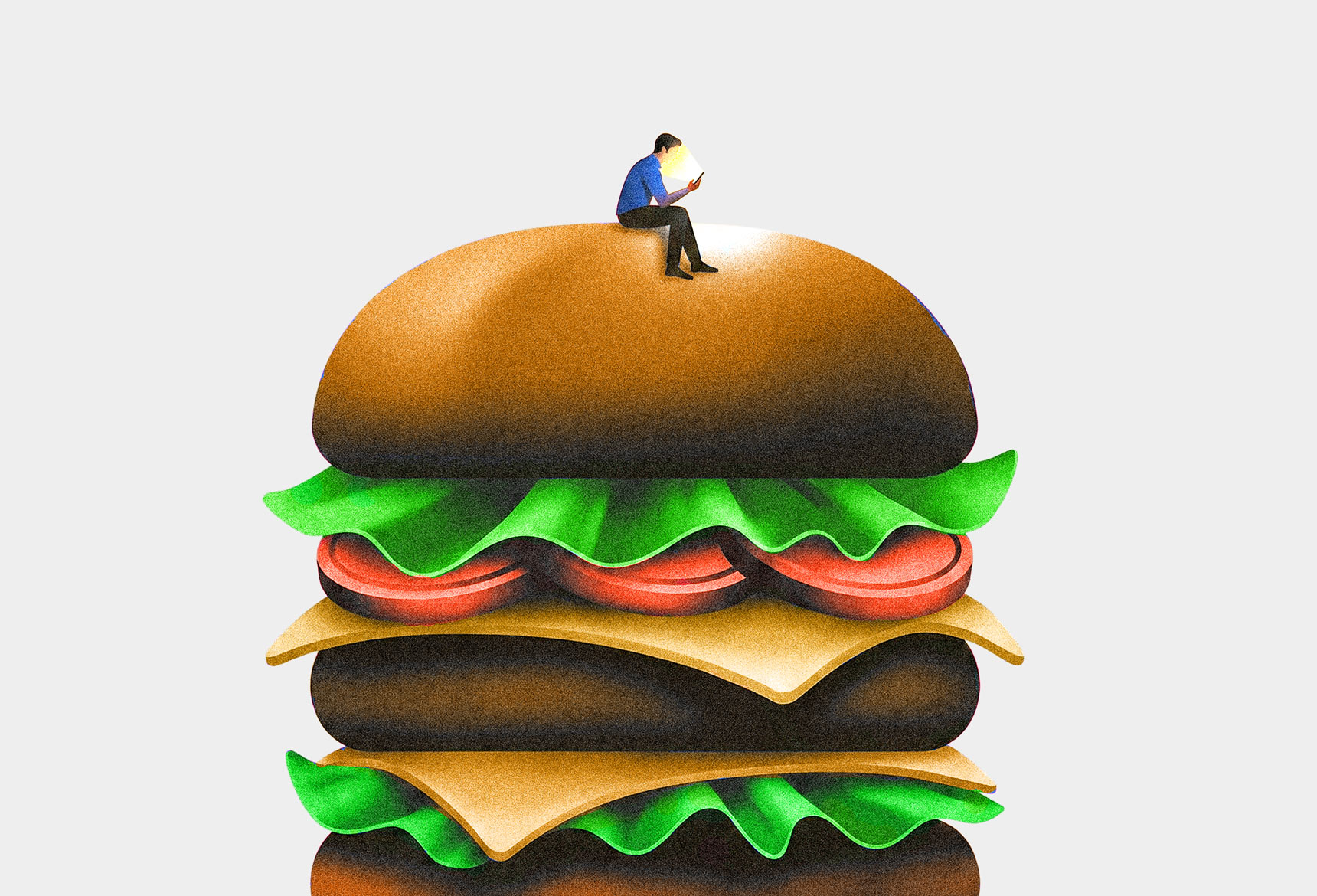
India’s food services market is projected to reach ₹9–10 lakh crore by 2030, nearly doubling in size. But the more significant story is not scale, it is behavioural change. Online food delivery alone is expected to grow at 18% CAGR, expanding its share of food services from 12% in 2023 to nearly 20% by 2030. This growth signals a deeper transformation: eating is becoming opportunity-led rather than routine-led. For brands, this marks a shift from owning occasions to earning relevance in real time.
Choice is no longer episodic, it’s continuous. Brands are being evaluated repeatedly, often in compressed decision windows where attention is scarce and alternatives are one swipe away.
Key insight: Online food delivery is set to grow at around 18 per cent compound annual growth rate (CAGR), with its share of the overall food services market rising from about 12 per cent in 2023 to 20 per cent by 2030.
How consumption patterns are expanding everyday choice
Key Insights for Brands
1. Discovery now happens in digital ecosystems
In this new landscape, discovery rarely begins in a physical store. Food apps, quick-commerce platforms, and aggregators have become the first point of interaction between brands and consumers. As a result, visual identity, pack recognition, and format clarity must work instantly in digital environments.
2. Design has become a strategic differentiator
With fragmented eating occasions, packaging and portioning now influence choice as much as product attributes. Packaging must perform at thumbnail size and visual identity must signal relevance instantly.
3. Consumers are seeking meaningful and local variety
Consumers are experimenting across cuisines, formats, and health-led options and expect coherence across this variety. Portfolio expansion must feel culturally fluent and strategically edited.
4. Convenience is now a core brand value
The rise of food delivery platforms and aggregators is influencing how people discover and reorder products. Brands that fit naturally into these digital ecosystems through format, availability, and visibility are more likely to remain top of mind.
India Is following a proven regional trajectory:
Southeast Asian markets demonstrate how urbanisation and digital access accelerate on-the-go consumption. India is moving in the same direction, where eating is increasingly shaped by experience, immediacy, and choice rather than home-centred routines.
What this transformation signals for FMCG brands
The real opportunity lies in designing systems where product strategy, consumer behaviour, and brand storytelling converge. Successful brands will move beyond visibility toward cultural participation and experience creation. In doing so, they embed themselves into everyday behaviours, not just transactional moments.
Bblewrap sees this moment as a brand architecture imperative. We bring together design-led strategy, data insights, and narrative equity to reimagine the FMCG market, helping brands operate where consumer behaviour, infrastructure, and market design converge.

.svg)
.svg)
.svg)

